
A Comprehensive Guide to Tax Preparation for First-Time Filers


Understanding the Basics of Tax Preparation
Filing taxes for the first time can be daunting, but understanding the basics can help ease the process. Taxes are essentially mandatory financial charges imposed on individuals by the government. The funds collected are used for public services and infrastructure. As a first-time filer, it’s crucial to know the different types of taxes you may be liable for, primarily federal and state taxes.
Gathering Essential Documents
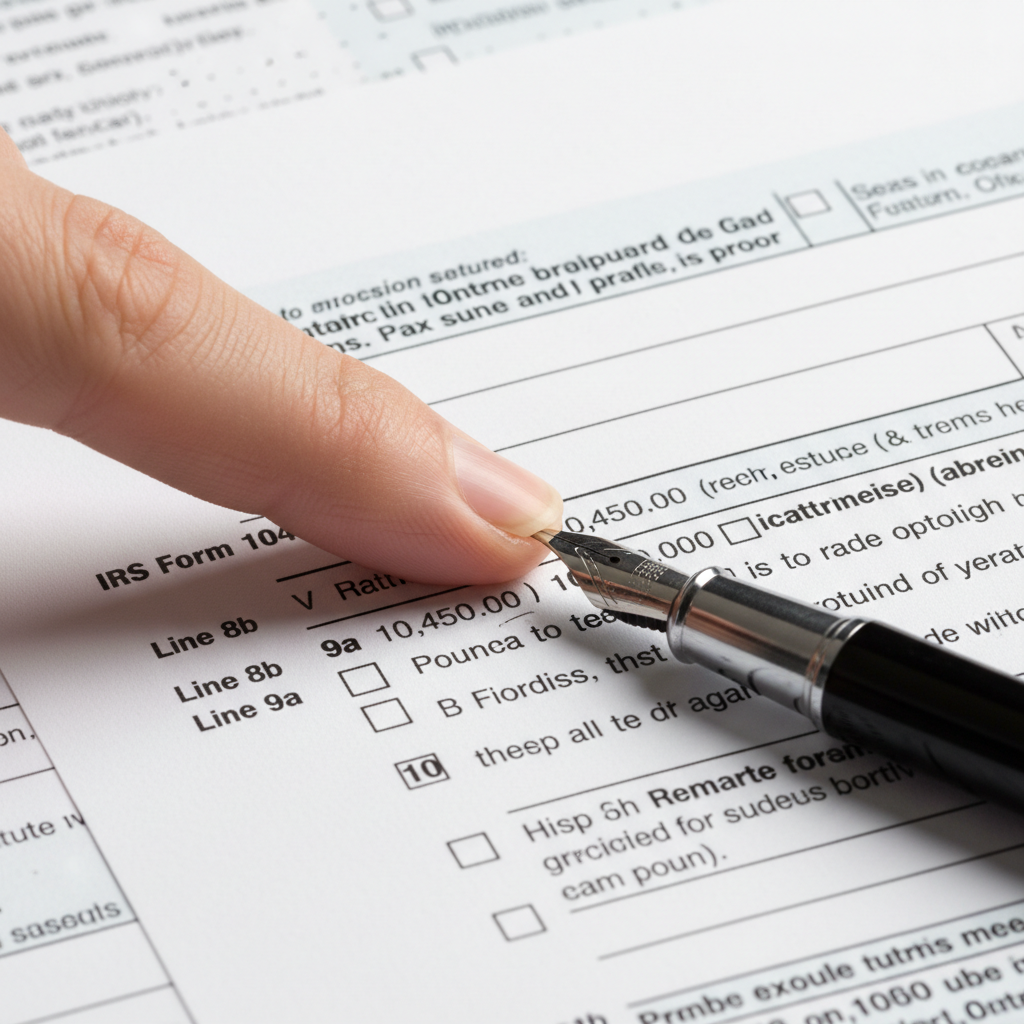
Before you begin the tax filing process, it’s important to gather all necessary documents. These typically include your W-2 forms from employers, 1099 forms if you have freelance income, and any other income records. You’ll also need documentation for deductions, such as student loan interest or tuition payments.
Keeping these documents organized will simplify the filing process and help ensure you don’t miss any important information. Consider creating a checklist to track all the documents you need to collect.
Choosing How to File
Once your documents are in order, decide how you want to file your taxes. You have several options: filing manually, using tax software, or hiring a professional tax preparer. Each option has its pros and cons. Filing manually is cost-effective but can be complex. Tax software offers guidance and convenience, while hiring a professional ensures expertise but comes at a cost.
Understanding Deductions and Credits
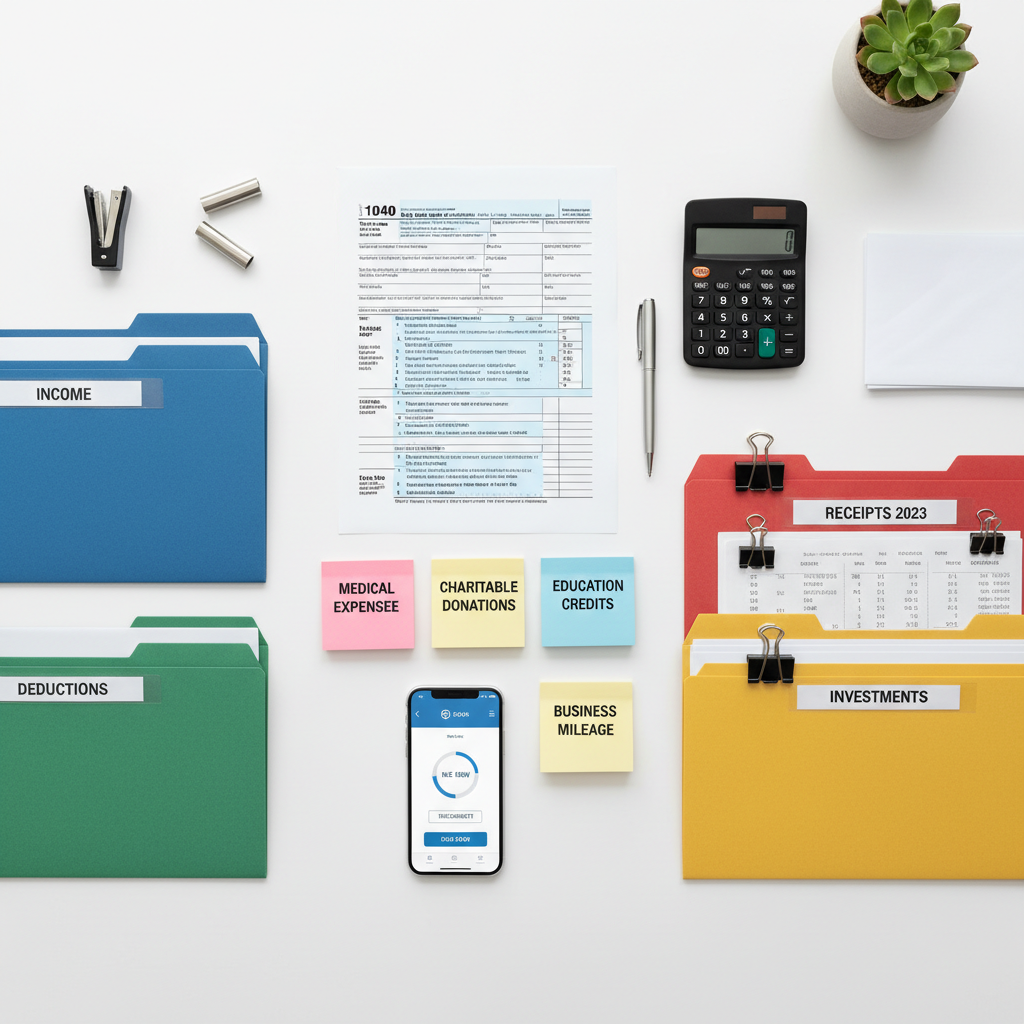
To maximize your tax return, it's essential to understand the difference between deductions and credits. Deductions reduce your taxable income, which can lower the amount of taxes you owe. Common deductions include student loan interest and medical expenses. Credits directly reduce the amount of tax you owe, with popular credits being the Earned Income Tax Credit and Child Tax Credit.
Take the time to research which deductions and credits apply to your situation. This can significantly impact your tax return.
Filing Your Taxes
Once you’ve chosen your filing method and identified applicable deductions and credits, it's time to file. If you're using tax software or a professional, follow their instructions carefully. For manual filers, ensure you fill out the forms correctly and double-check your calculations.
After Filing: What to Expect
After submitting your tax return, you’ll receive confirmation from the IRS. If you’re entitled to a refund, it typically takes a few weeks to process. If you owe taxes, ensure you pay by the deadline to avoid penalties. Keep a copy of your tax return and all supporting documents in a safe place for future reference.
Filing taxes for the first time can be a learning experience. With the right preparation and understanding, you can navigate the process confidently and ensure compliance.