
End of Year Tax Planning Tips for Suffolk County Residents


Tax Planning Basics
As the end of the year approaches, it's important for Suffolk County residents to review their financial situation and make strategic tax planning decisions. Proper planning can lead to significant savings and help you avoid last-minute stress. Whether you’re an individual or a business owner, there are several steps you can take to ensure you’re optimizing your tax situation.
One of the first things to do is to gather all necessary financial documents. Having your income statements, receipts, and previous tax returns organized will make the process smoother. This preparation not only helps in identifying potential deductions but also ensures you're ready for any inquiries from tax professionals.
Maximizing Deductions
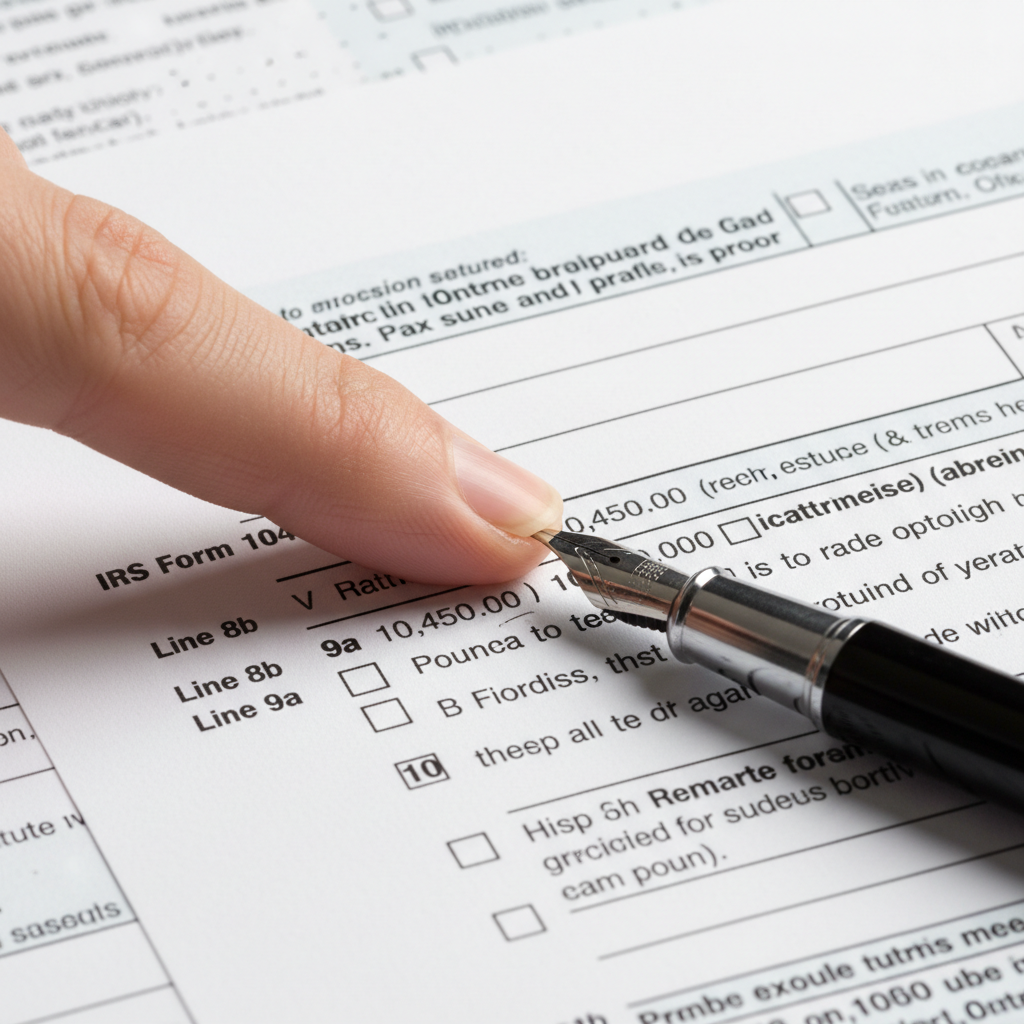
Maximizing deductions is a key strategy in reducing taxable income. Consider contributing to retirement accounts, such as a 401(k) or IRA, as these contributions might be deductible. Additionally, if you’re eligible, taking advantage of deductions related to home office expenses or educational costs can also be beneficial.
Don’t overlook charitable contributions. Donations to qualified organizations can be deducted, but ensure you have proper documentation for each donation. This can be a great way to support local causes while also reducing your tax burden.

Understanding Tax Credits
Tax credits differ from deductions as they directly reduce the amount of tax owed. Suffolk County residents should explore available credits, such as those for energy-efficient home improvements or education expenses. These credits can significantly impact your overall tax liability.
It’s important to research and understand the eligibility requirements for each credit. Consulting with a tax professional can provide clarity and help you take advantage of these opportunities.

Planning for Future Taxes
End-of-year tax planning isn’t just about the current year; it’s also about setting the stage for future tax seasons. Consider strategies like tax-loss harvesting, which involves selling off underperforming investments to offset gains. This can be an effective way to manage your investment portfolio while minimizing taxes.
Additionally, if you anticipate a significant change in income next year, planning for it now can be advantageous. Adjusting withholdings or estimated tax payments can help manage cash flow and prevent unexpected tax bills.
Seeking Professional Help
While there are numerous online resources available, sometimes the best course of action is to consult with a tax professional. They can provide personalized advice tailored to your specific situation, ensuring all opportunities are utilized and potential pitfalls are avoided.
For Suffolk County residents, local tax advisors can offer insights that are particularly relevant to the area, making sure you’re compliant with both state and local tax laws.
Conclusion
End-of-year tax planning can be a complex process, but with careful preparation and strategic decisions, Suffolk County residents can maximize savings and minimize stress. By organizing documents, maximizing deductions and credits, and consulting with professionals, you can ensure a smoother tax season.
Remember, proactive planning is key to achieving financial peace of mind as you head into the new year.