Navigating Tax Season: Essential Tips for Individuals and Businesses


Understanding Your Tax Obligations
As tax season approaches, both individuals and businesses need to prepare meticulously to ensure compliance and optimize their financial outcomes. Understanding your tax obligations is the first step in navigating this often complex period. For individuals, this means gathering all necessary documents, such as W-2s, 1099s, and any other income-related forms. Businesses, on the other hand, must focus on profit and loss statements, balance sheets, and payroll documents.

Organizing Your Financial Records
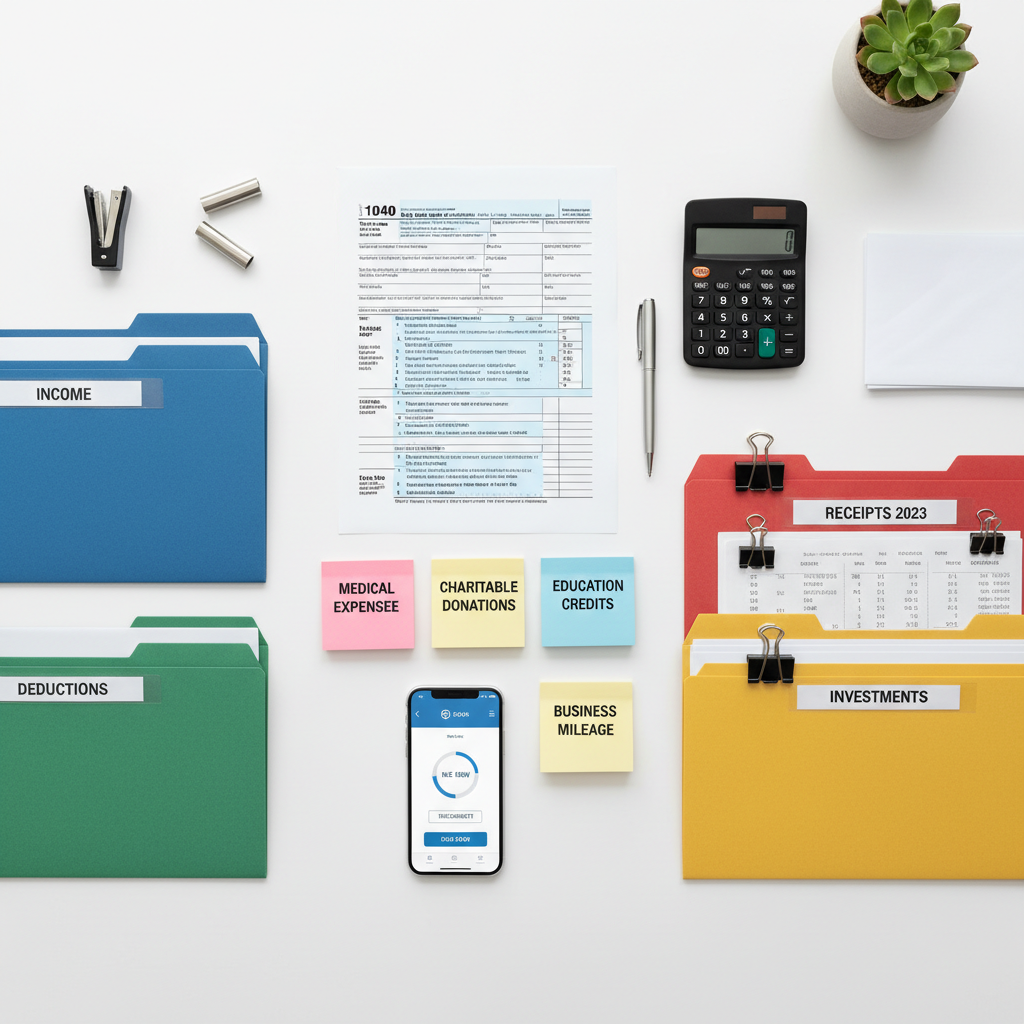
Keeping your financial records organized is crucial for a smooth tax season. Start by categorizing expenses, income, and deductions. Use digital tools or accounting software to simplify this process. For businesses, having a dedicated team or accountant can make a significant difference. Ensure that all receipts and invoices are stored systematically, either physically or digitally, to prevent any last-minute scrambles.
Utilizing Technology
Technology can be a lifesaver during tax season. Numerous apps and programs are available to help track expenses, manage invoices, and even file taxes. These tools can reduce errors and save time. Individuals and small businesses can benefit from using such technology to streamline their tax processes effectively.
Understanding Deductions and Credits
Maximizing deductions and credits is a smart way to reduce your taxable income. For individuals, this might include education credits, mortgage interest deductions, or energy-efficient home improvements. Businesses should look into deductions for operational expenses, employee benefits, and research and development. Make sure to consult with a tax professional to understand which deductions apply to your situation.
Staying Informed
Tax laws are subject to change, and staying updated can help avoid pitfalls. Subscribe to newsletters, attend webinars, or consult with tax experts to keep abreast of any new regulations or opportunities. This proactive approach is particularly beneficial for businesses that may be affected by new tax codes or incentives.

Working with Professionals
While many individuals and small businesses handle their taxes independently, working with a tax professional can provide peace of mind. These experts offer valuable insights and can identify potential areas for savings that might be overlooked. They can also assist with more complex scenarios, such as audits or international tax issues.
Preparing for the Next Tax Season
Once the current tax season is complete, it’s wise to start preparing for the next one. Review your financial performance, assess any challenges faced, and implement strategies to improve efficiency. Set up quarterly reviews to ensure that your finances are always in order, making the subsequent tax season less daunting.